Protection Issues
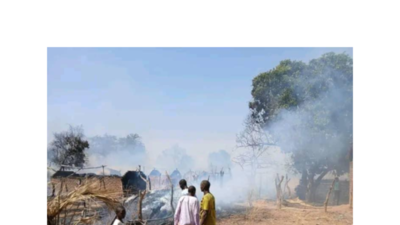
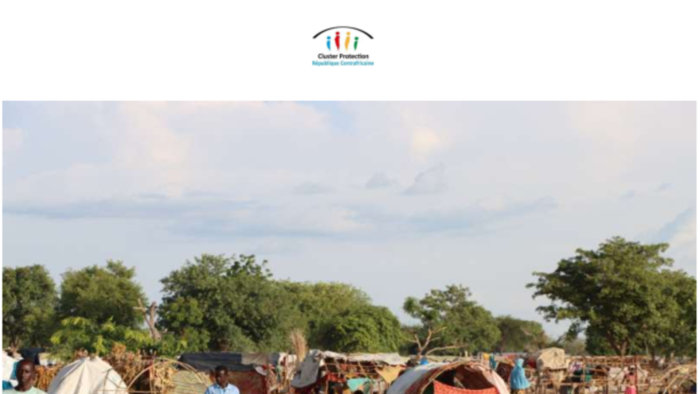
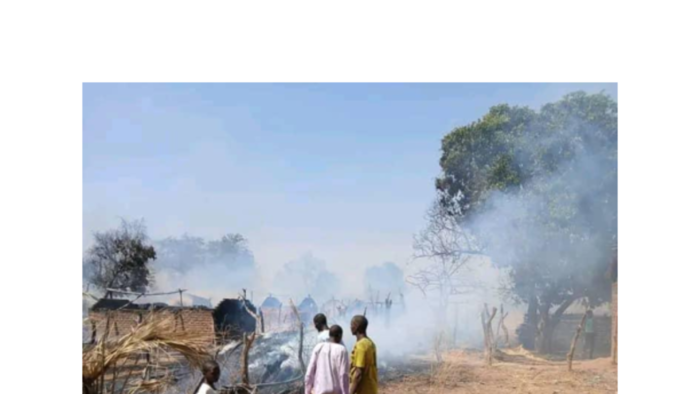
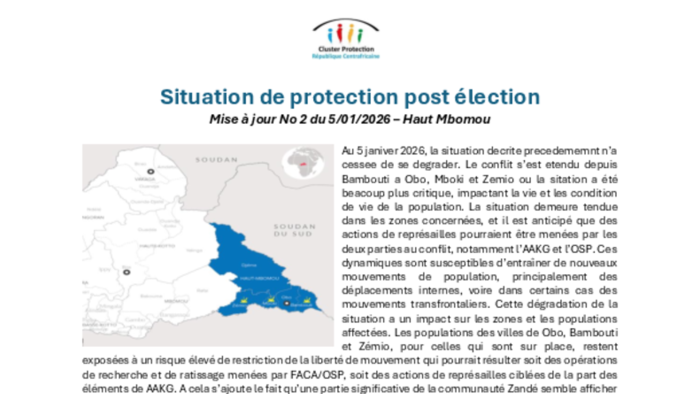
The protection situation in the Central African Republic remains concerning and complex. Clashes and conflicts involving armed actors have resulted in numerous casualties, including internally displaced persons (IDPs), whose vulnerability has increased as a result of new displacements and the violence they have experienced. Displacement sites and host communities are overstretched, further increasing vulnerabilities, particularly among women, children, persons with disabilities, and older persons. The gradual withdrawal of MINUSCA from certain localities is already reducing the means available to protect civilians. Furthermore, humanitarian access remains limited in some areas due to insecurity and physical and logistical constraints, hindering the effective implementation of protection activities and responses. Community-based protection mechanisms remain weakened, while national institutional capacities remain limited to ensure a sustainable response. Taken together, these challenges perpetuate an environment of prolonged insecurity, making it more difficult to protect IDPs and to identify durable solutions to address their needs.
Humanitarian Needs and Response Plan in 2026
About the Protection Cluster
The Protection Cluster in the Central African Republic works to ensure the coordination of protection interventions in emergencies and to respond to the protection needs of persons affected by conflict and disasters. The Protection Cluster is led by the Office of the United Nations High Commissioner for Refugees (UNHCR). The Cluster includes thematic workstreams on Gender-Based Violence, Child Protection and Mine Action.
Coordination Team

Protection Cluster Coordinator
Information Management Officer
Child Protection Lead
Gender Based Violence Lead
Mine Action Lead